Key Takeaways
- PRP (Platelet-Rich Plasma) uses your own blood — drawn, centrifuged to concentrate platelets, then reintroduced via microneedling. No foreign substances, no synthetic fillers.
- A full PRP session takes 60–90 minutes — the numbing cream alone needs 20–30 minutes, so factor this into your schedule before booking a lunch break slot.
- The blood draw feels like a standard blood test. The microneedling phase is uncomfortable but manageable — most clients describe it as a scratching or stinging sensation, not sharp pain.
- Your skin will be visibly red, warm, and mildly swollen immediately after. This is normal and expected — it is the inflammatory response the treatment relies on. Redness resolves within 24–72 hours for most clients.
- PRP results are not immediate. Initial texture improvement appears at 2–4 weeks; more meaningful changes in tone and pore quality are typically assessed at 6–8 weeks.
- A course of 3 sessions spaced 4 weeks apart is the standard protocol for lasting results — a single session produces some improvement but not the cumulative effect of a full course.
PRP has become one of the most talked-about skin treatments in Malaysia — partly because of the science behind it, partly because of the dramatic before/after photos circulating online. But most of what's written about it online is either too vague ("uses your own blood to rejuvenate skin") or too promotional to be genuinely useful before you decide to book. This guide is neither. It's a step-by-step account of exactly what happens at a Casablanca Aesthetic PRP session — what each stage feels like, what your skin looks like immediately after, and what actually happens over the following days.
What Is PRP and Why Does It Work?
PRP (Platelet-Rich Plasma) is a regenerative treatment that uses your own blood's natural healing components to stimulate skin repair. The mechanism isn't complicated once you understand what platelets actually do: they are the components of your blood responsible for triggering the body's healing response. When you cut yourself, platelets rush to the site and release growth factors that initiate tissue repair and collagen production. PRP replicates this process deliberately, in the skin, in a controlled clinical setting.
The procedure involves three core steps:
- A small amount of your own blood is drawn — typically 10–20ml, similar to a standard blood test
- It is spun in a centrifuge to separate and concentrate the platelet-rich layer of plasma from red blood cells and other components
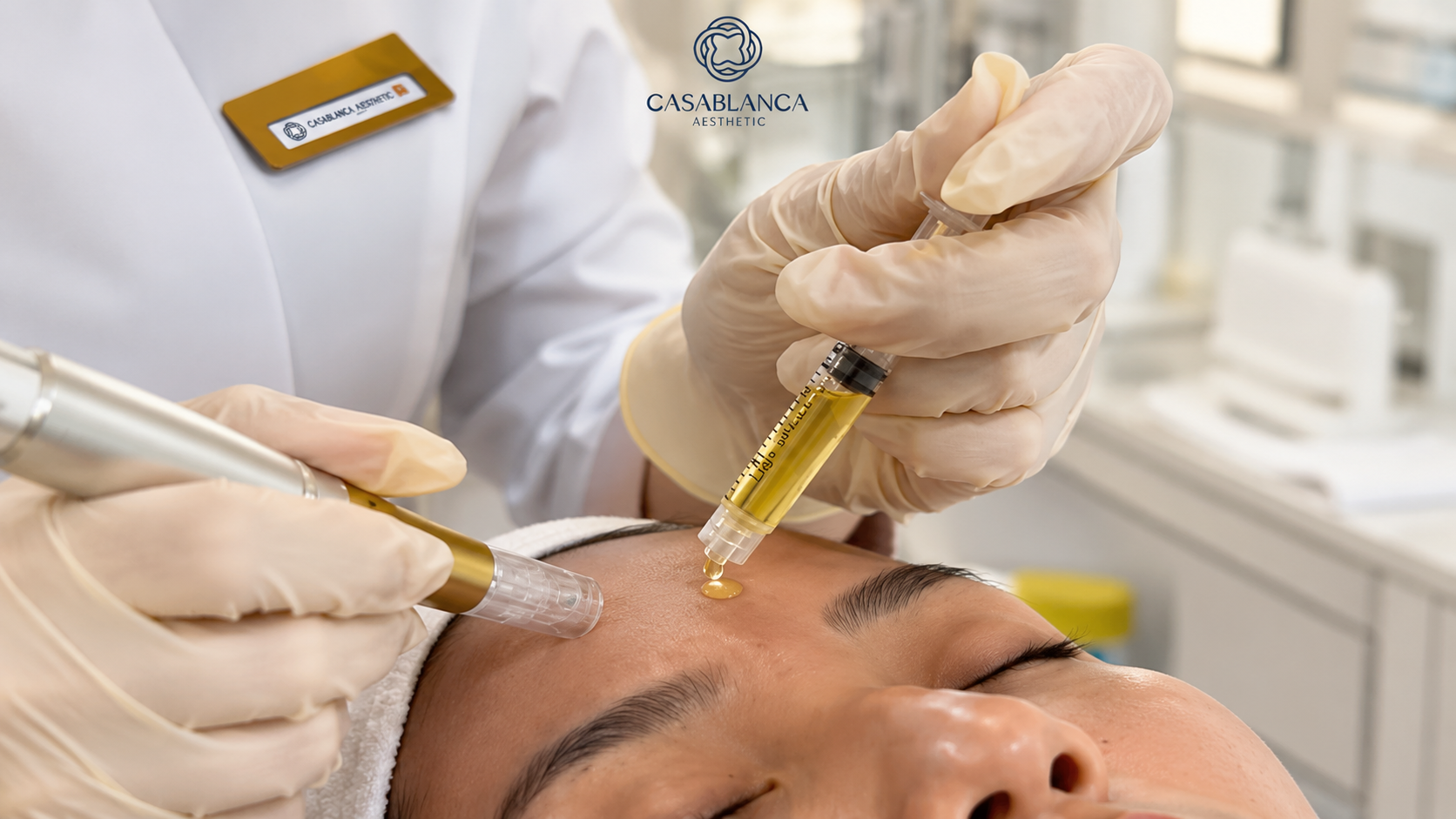
- The concentrated plasma is reintroduced into the skin via microneedling — creating micro-channels that allow the growth factors to penetrate at the depth where they stimulate collagen and cellular regeneration
Why it's different from a standard facial
Most facials apply external products to the skin surface. PRP introduces your own biological material — your own growth factors — into the living tissue layers beneath the surface. The results take longer to appear precisely because they come from genuine tissue remodelling, not a temporary surface effect.
The Full PRP Session, Step by Step
What Actually Happens from Arrival to Leaving
This is the part most guides skim over. Here's the honest, complete sequence of a first PRP session at Casablanca Aesthetic:
-
1
0:00 – 0:15 mins
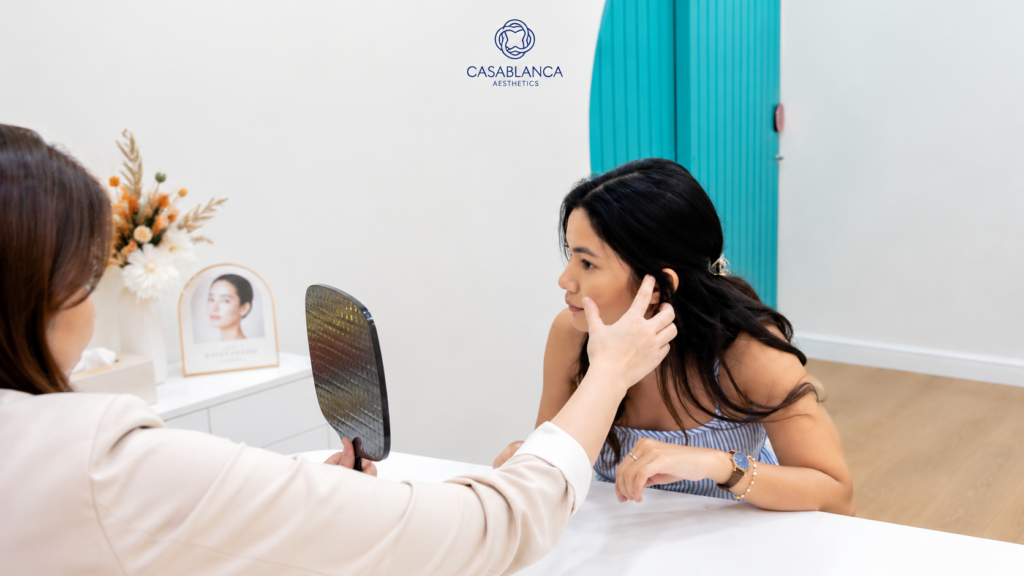
Consultation and Skin Screening
Your first session begins with a consultation with a professional aesthetician — your health history, any medications (especially blood thinners), and your skin concerns are reviewed before anything proceeds. This is not optional and not a formality. If there's a reason PRP isn't suitable for you, this is where that gets identified. -
2
0:15 – 0:40 mins
Topical Numbing Cream Applied
Numbing cream is applied across the full treatment area and left for 20–30 minutes. This is non-negotiable — skipping or shortening the numbing time significantly increases discomfort during microneedling. This is also where most people underestimate the session length. Those 20–30 minutes are in addition to the treatment time, not included in it. -
3
0:40 – 0:48 mins
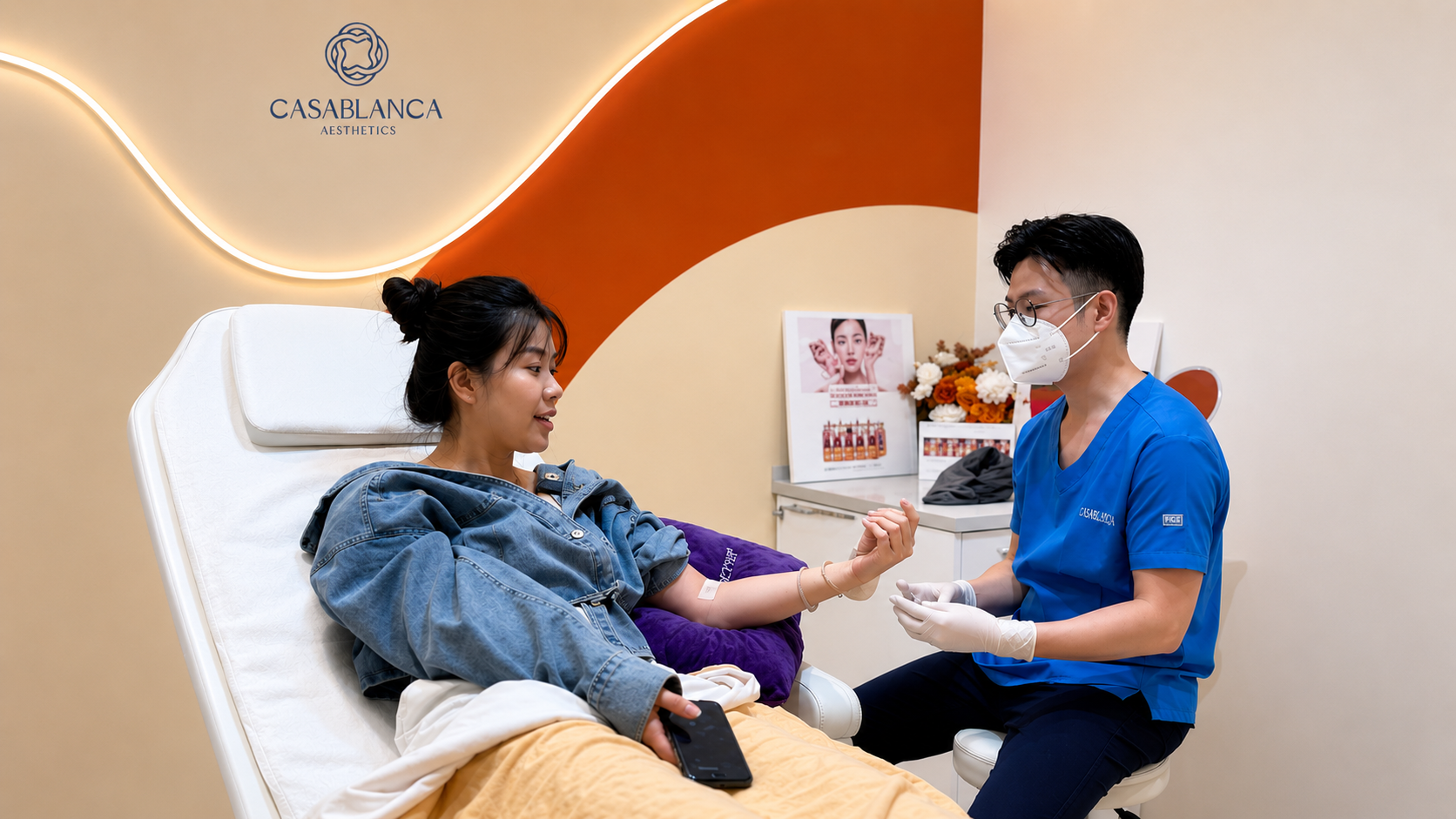
Blood Draw
While the numbing is taking effect, a small amount of blood (typically 10–20ml) is drawn from your arm — the same as a standard blood test. If you're nervous about needles, this is genuinely one of the least remarkable parts of the session: a brief pinch, done in under a minute. The draw site is bandaged and most clients don't notice it for the rest of the session. -
4
0:48 – 0:55 mins
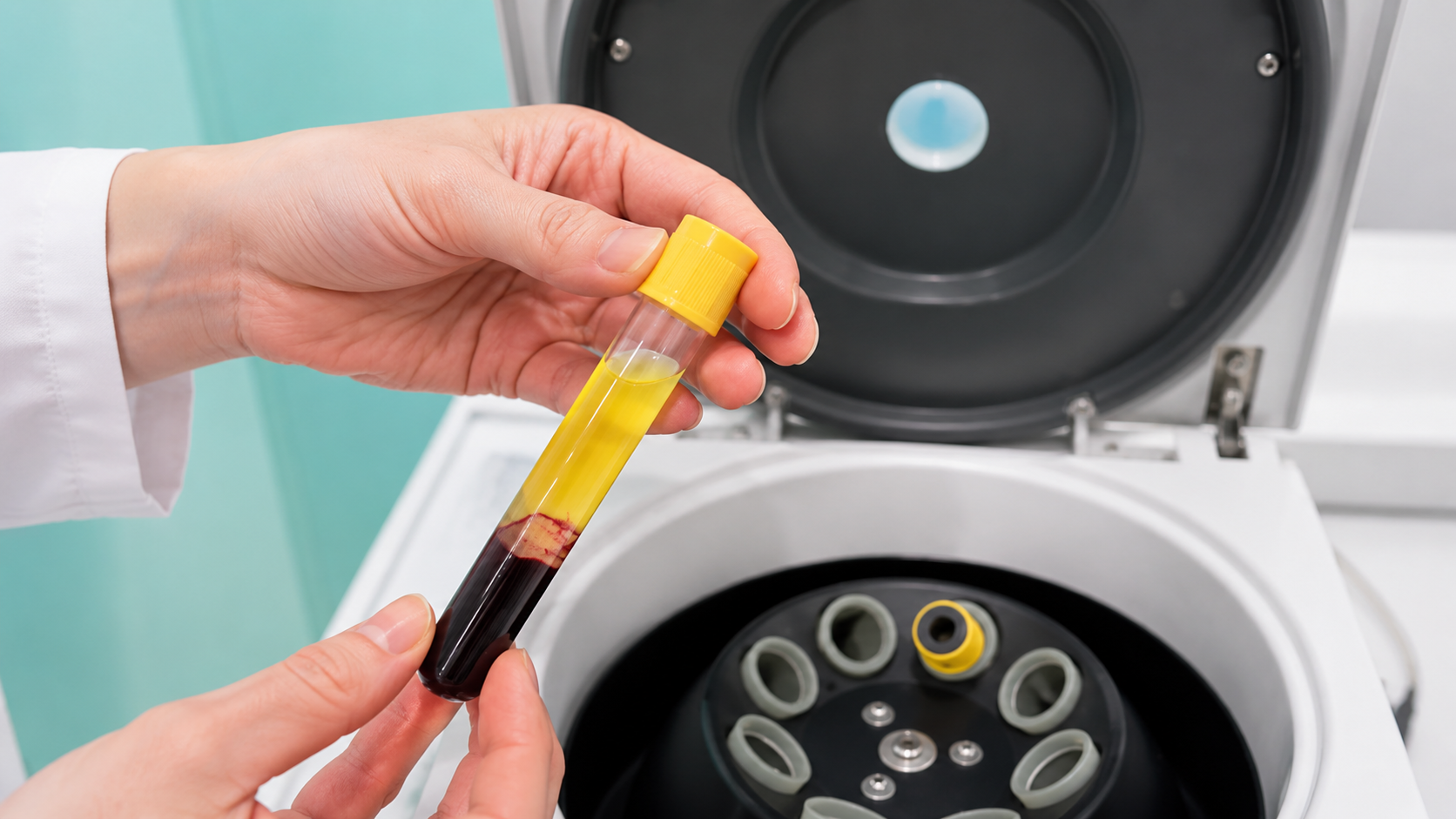
Centrifuge Processing
Your blood sample is placed in a centrifuge, which spins at high speed to separate the plasma layer — the pale yellow layer that sits above the red blood cells. This takes approximately 8–10 minutes. You'll see the machine running in the room. The resulting PRP has a significantly higher platelet concentration than your whole blood, which is what makes it effective for skin regeneration rather than simply re-injecting unprocessed plasma. -
5
0:55 – 1:20 mins
Microneedling with PRP Application
The concentrated plasma is applied to your skin and a microneedling device is used to create micro-channels, driving the PRP into the dermal layer. This is the part of the session most people are anxious about. With adequate numbing, it is uncomfortable rather than painful — a consistent scratching or mild stinging sensation. The sensation varies slightly across different areas of the face: typically more noticeable near the forehead and around the nose, less so on the cheeks. Your professional aesthetician will check in on your comfort level throughout. -
6
1:20 – 1:30 mins
Post-Treatment Care and Aftercare Briefing
A soothing serum and physical SPF are applied. Your professional aesthetician will brief you on aftercare — what to avoid, when you can resume normal skincare, and what to expect over the next several days. This briefing matters: following aftercare correctly affects how well your skin heals and how the results develop.
Blood Draw
Centrifuge
Microneedling

Post-Treatment
How Does PRP Actually Feel? The Honest Breakdown
This is the most searched question before a first PRP session, and the honest answer varies by stage:
The Blood Draw
A brief pinch identical to a standard blood test. If you donate blood or have routine blood tests without difficulty, this will not be the part of the session you find challenging. It takes under a minute.
The Waiting Period (Numbing)
Nothing to feel here — the cream sits on your skin while the centrifuge runs. Some clients feel mild tingling as the numbing takes effect, which is normal.
The Microneedling Phase
This is the part most first-timers want an honest answer about. With proper numbing, the sensation is a consistent scratching or light stinging — notably more noticeable near the forehead, hairline, and nose bridge, less so on the cheeks and jaw. The depth of the needles used affects intensity; your professional aesthetician adjusts this based on your skin concern and tolerance. Most clients describe it as "uncomfortable but manageable" rather than painful. The phase typically runs 20–25 minutes — knowing it has a defined end point helps most people get through it comfortably.
Managing the experience
If you have a very low pain threshold, mention this before the session begins. The numbing time can be extended slightly, and your professional aesthetician can adjust the treatment approach. Do not try to tough out genuine pain during the microneedling phase — the treatment works best when you're relaxed rather than tensed up, and there is no merit badge for suffering through it unnecessarily.
🗓 Ready to book your first PRP session in KL? A consultation is required before treatment — book yours first.
Book via WhatsAppWhat Your Skin Does After PRP — A Day-by-Day Timeline
This is where most guides on PRP in Malaysia go vague. Here is what actually happens, day by day, after your first session:
- Day 0 — Immediately After Visible redness, warmth, and mild swelling Your skin will look like moderate to severe sunburn. This is not a complication — it is the intended inflammatory response that initiates the healing cascade. You will not be able to return to work or a social event looking normal. Plan accordingly: most people book Friday afternoon to recover over the weekend.
- Day 1 Redness fading but skin feels tight and dry The acute redness begins to calm. Skin often feels tight, slightly raw, and unusually dry. This is the skin barrier beginning to repair. Gentle hydration is key — nothing active (no retinol, acids, or vitamin C). A barrier-supporting moisturiser and physical SPF only.
- Days 2–3 Possible mild flaking or peeling As the micro-channels heal, some clients experience mild flaking in localised areas — particularly around the forehead and nose. Do not pick or force this. Gentle cleansing and continued barrier support. Most clients can return to normal daily activities and some makeup by day 2 or 3, though coverage over any remaining pink areas may be limited.
- Days 4–7 Skin settles — may look temporarily unremarkable This is the phase that catches most first-timers off guard. Once the redness fades, skin can look normal — or even slightly duller than before — while the cellular repair is happening beneath the surface. This is not a sign the treatment hasn't worked. The visible results come later.
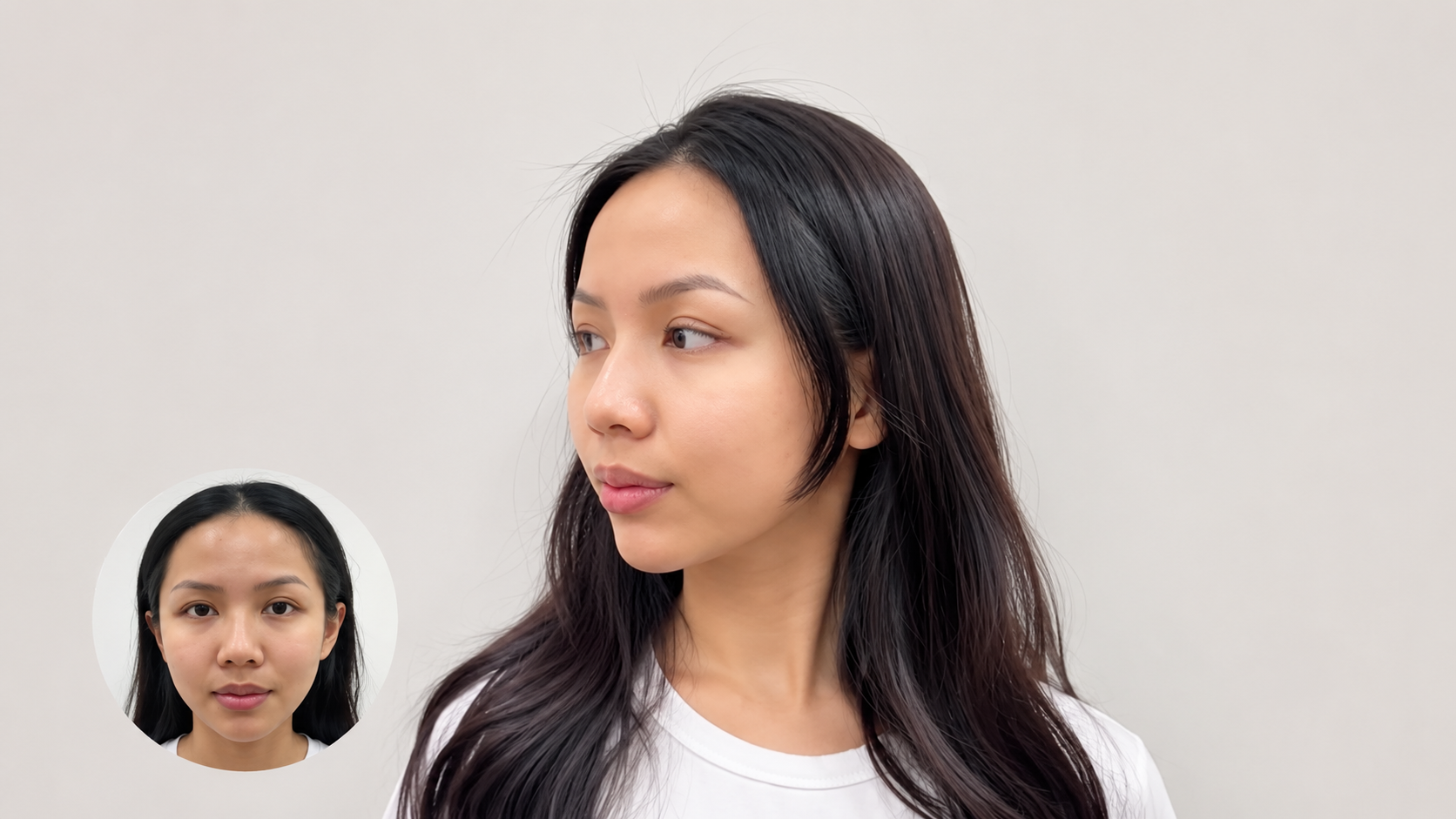
- Weeks 2–4 First visible improvement in texture and hydration As platelet growth factors stimulate collagen production, skin texture typically becomes noticeably smoother. Hydration levels improve as cellular function recovers. Pores may begin to appear smaller. This is when most clients notice the treatment starting to work.
- Weeks 6–8 Full assessment point for single session results The 6–8 week mark is when the results of a single PRP session can be properly assessed. Improvements in skin tone, texture, fine lines, and pore appearance are typically at their most visible at this point. This is also when the second session in a course is timed — spacing sessions roughly 4 weeks apart maintains the collagen stimulus continuously through the course.
PRP Aftercare — What to Do and What to Avoid
The First 24 Hours
- Do not wash your face for at least 6 hours post-treatment — the micro-channels need time to begin closing
- No makeup for the first 24 hours — applying anything to open micro-channels risks introducing bacteria or irritants
- No strenuous exercise — elevated body temperature and sweating can irritate healing skin and increase inflammation
- No swimming, saunas, or steam rooms
- Cool, clean water only for the first wash — no cleansers with active ingredients
Days 2–7
- Avoid all active skincare ingredients — no retinol, AHAs, BHAs, vitamin C, or niacinamide until the skin barrier is fully recovered (typically 5–7 days)
- Physical SPF 30+ every morning without exception — post-procedure skin is more vulnerable to UV damage and pigmentation risk
- Gentle, fragrance-free moisturiser only — barrier support is the priority
- No picking at any flaking or peeling — let the skin shed naturally
When to contact the clinic
Some redness, swelling, and tightness is expected and normal for the first 48–72 hours. Contact the clinic if you experience: redness or swelling that significantly worsens after day 2, unusual warmth or discharge from any treatment site, or any reaction you're uncertain about. The Casablanca team is reachable via WhatsApp for post-treatment questions.
Who Should Not Get PRP — Being Honest About the Limits
PRP is not right for everyone. A consultation before treatment isn't just a formality — it's where these contraindications get identified:
- Pregnancy or breastfeeding — PRP is not recommended during either
- Active skin infections or open wounds in the treatment area
- Blood thinning medications (including regular aspirin use) — affects platelet function and increases bruising risk
- Clotting disorders or very low platelet counts — PRP requires adequate platelet concentration to be effective
- Anyone expecting instant, dramatic results — PRP works through genuine tissue remodelling that takes weeks. If you need a result for an event in the next 2 weeks, this is the wrong timing for PRP
- Anyone with a genuine needle phobia — the microneedling phase is not advisable if you cannot tolerate the sensation even with numbing
Frequently Asked Questions
What is PRP treatment and how does it work?
PRP (Platelet-Rich Plasma) involves drawing a small amount of your own blood, processing it in a centrifuge to concentrate the platelets, and reintroducing the resulting plasma into the skin via microneedling. The concentrated growth factors in the plasma stimulate collagen production, cellular regeneration, and tissue repair — improving skin texture, tone, and quality over several weeks.
Is PRP treatment painful?
The blood draw is a brief pinch, similar to any standard blood test. The microneedling phase involves a scratching or stinging sensation depending on skin sensitivity and the depth used. Topical numbing cream is applied beforehand to significantly reduce discomfort. Most clients describe the sensation as uncomfortable but manageable rather than genuinely painful.
How long does a PRP session take in Malaysia?
A full PRP session at Casablanca takes approximately 60 to 90 minutes — including consultation, 20–30 minutes of numbing time, blood draw, centrifuge processing, microneedling, and post-treatment care. The numbing period is the part most people forget to account for when planning their schedule.
What does skin look like immediately after PRP?
Immediately after PRP, skin is visibly red, warm, and mildly swollen — similar in appearance to moderate sunburn. This is the normal inflammatory response that initiates the healing process. Redness typically subsides significantly within 24 hours and resolves fully within 48–72 hours for most clients.
When do you see results from PRP skin treatment?
PRP results are not immediate. Initial improvement in skin texture and hydration is usually noticeable at 2–4 weeks as the platelet growth factors begin stimulating collagen. More significant changes in tone, texture, and pore appearance are typically assessed at 6–8 weeks, with results continuing to improve after that.
How many PRP sessions do I need in Malaysia?
For most skin concerns, a course of 3 sessions spaced 4 weeks apart is the standard starting protocol. A single session produces some improvement but not the sustained, cumulative result a full course achieves. Maintenance sessions every 6–12 months are recommended after the initial course is completed.
Who should not get PRP treatment?
PRP is not suitable for those who are pregnant or breastfeeding, have active skin infections or open wounds in the treatment area, are on blood thinners, have clotting disorders, or very low platelet counts. A consultation before treatment is required to confirm suitability.
What is the difference between PRP and microneedling?
Microneedling on its own creates micro-channels in the skin to stimulate collagen via controlled injury, typically with standard serums. PRP microneedling adds your own concentrated platelet-rich plasma as the active applied during micro-channeling — significantly enhancing the regenerative effect compared to serum-based microneedling alone.
Book Your Consultation
Ready to Try PRP in Malaysia?
A consultation at Casablanca Aesthetic is the first step — your professional aesthetician will confirm suitability, answer questions, and design a protocol for your specific skin concern.
Book on WhatsApp NowConsultation required KL & Petaling Jaya Administered by professional aestheticians
This article was written by the team at Casablanca Aesthetic based on clinical knowledge and real treatment experience. It is intended as an educational guide and does not constitute medical advice. PRP treatment involves a professional skin procedure — always consult a qualified professional aesthetician before proceeding. Individual results vary. Last updated: July 2026.