Surgical vs Non-Surgical V Shape Face: Which is Better?
Achieving the coveted “V-line” contour is a top aesthetic goal in Malaysia. Whether you choose the permanent results of the scalpel or the convenience of “lunchtime” injectables, the right choice depends on your facial structure, downtime capacity, and long-term beauty budget.
Surgical V Shape Face Procedures
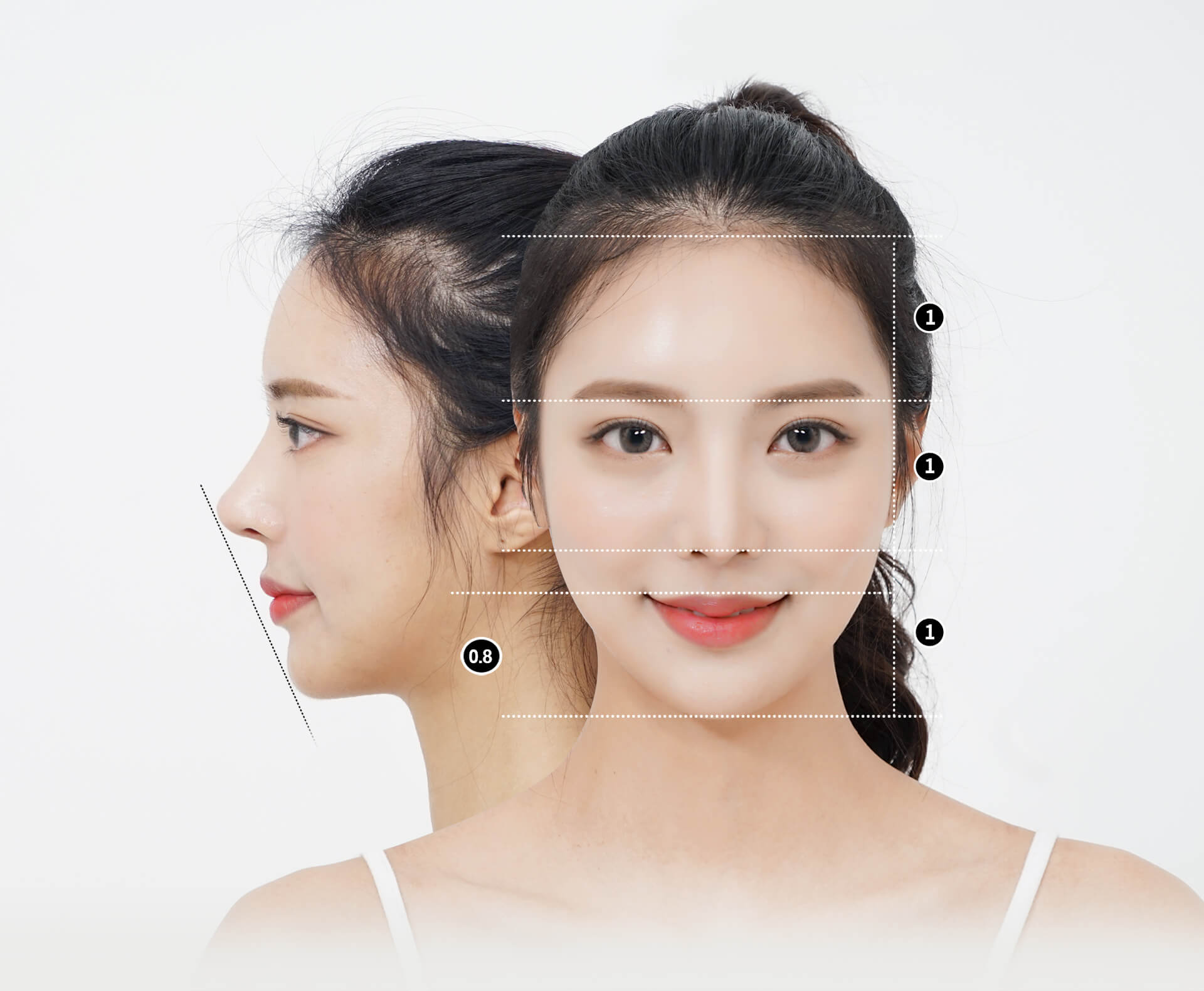
Surgical intervention offers a permanent transformation by physically altering the underlying bone or removing fat pads. In Malaysia, these procedures are performed by board-certified plastic surgeons in accredited facilities to ensure structural harmony and medical safety.
Types of Surgical Options Available
Common invasive methods include Mandibular Angle Reduction (jaw shaving) and Genioplasty (chin repositioning). Surgeons also frequently perform Buccal Fat Removal to slim the lower cheeks or submental liposuction to eliminate a double chin, creating a sharp, defined jawline.
Benefits of Surgical V Shape Face Treatments
The primary advantage is a permanent, “one-and-done” result. Surgery can correct significant structural issues, such as a wide jawbone or a receding chin, that non-surgical methods cannot fix. It provides the most dramatic and high-definition contouring available today.
Risks and Recovery Time
V-line surgery involves a recovery period of 2 to 4 weeks, with residual swelling lasting up to three months. Risks include temporary numbness, infection, or anesthesia complications. However, following strict post-operative protocols significantly minimizes these medical concerns.
Non-Surgical V Shape Face Treatments
Non-surgical options are minimally invasive and focus on relaxing muscles, dissolving small fat pockets, or tightening the skin. They are ideal for those who prefer subtle enhancements without the risks associated with general anesthesia or long-term scarring.
Common Non-Surgical Techniques
The most popular Malaysian treatments include Masseter Botox for jaw slimming and HIFU (High-Intensity Focused Ultrasound) for skin lifting. Dermal fillers can elongate the chin, while Thread Lifts use dissolvable sutures to physically hoist sagging jowls into a V-shape.
Advantages of Non-Surgical Options
These treatments require almost zero downtime, allowing patients to return to work immediately. They are reversible or temporary, which is perfect for those testing the look. Additionally, they carry a much lower risk of complications compared to invasive bone-shaving surgeries.
Expected Results and Maintenance
Results are visible quickly but are temporary. Jaw Botox typically lasts 4 to 6 months, while Ultherapy results can persist for 12 to 24 months. Regular maintenance sessions are required to keep the “V” shape sharp as the body naturally metabolizes the products.
Cost Comparison: Surgical vs Non-Surgical in Malaysia
Malaysia is a global hub for medical tourism due to competitive pricing. While surgery has a higher upfront cost, non-surgical treatments require recurring payments that can add up over several years of maintenance.
Average Prices Across Major Cities
In Kuala Lumpur, V-line surgery typically starts from RM16,000 to RM42,000. Conversely, non-surgical treatments like HIFU range from RM1,500 to RM5,000, while jaw slimming injections usually cost between RM800 and RM2,500 per session depending on the brand used.
Factors Affecting Treatment Costs
Prices fluctuate based on the surgeon’s experience, the clinic’s location, and the technology used (e.g., authentic Ultherapy vs. generic HIFU). Hospital fees, anesthesia, and post-care medications also contribute to the total investment for surgical candidates.
Choosing the Right Option for You
The “best” method is highly individual. A person with a heavy bone structure needs a different approach than someone whose “wide” face is caused by overactive chewing muscles or sagging skin.
Age, Skin Type, and Desired Outcome Considerations
Younger patients often achieve a V-shape with simple Botox or fillers. Older patients with skin laxity may benefit more from lifting technologies or surgery. If you want a subtle change, go non-surgical; for a total bone-structure overhaul, surgery is necessary.
Consulting with Certified Professionals in Malaysia
Always verify that your doctor holds a Letter of Credentialing and Privileging (LCP) from the Ministry of Health Malaysia. A professional consultation includes a facial analysis to determine if your width is caused by bone, muscle, fat, or skin.
FAQs About Surgical vs Non-Surgical V Shape Face
How Long Do Results Last?
Surgical results are permanent, though your skin will still age naturally over time. Non-surgical results vary: Botox lasts about 6 months, fillers 12–18 months, and energy-based lifting like Ultherapy up to 2 years before a “top-up” is needed.
Are Treatments Painful?
Surgery is performed under general anesthesia, so you feel nothing during the procedure. Non-surgical treatments involve minor discomfort, often described as a “prickling” or “aching” sensation, which is easily managed with topical numbing creams or local anesthetics.
Can Both Methods Be Combined?
Absolutely. Many Malaysians combine minor surgery (like buccal fat removal) with non-surgical skin tightening for the ultimate “snatched” look. Using Botox alongside a chin implant can further refine the jawline by relaxing the muscles that obscure the surgical result.