PRP vs PRF in Malaysia: Which is Better?
Deciding between “vampire” treatments can be tricky. Both use your blood to heal your skin, but the science has evolved. In Malaysia’s booming aesthetic scene, choosing between Platelet-Rich Plasma (PRP) and its successor, Platelet-Rich Fibrin (PRF), depends on your specific skin goals and biological needs.
What is PRP vs PRF?
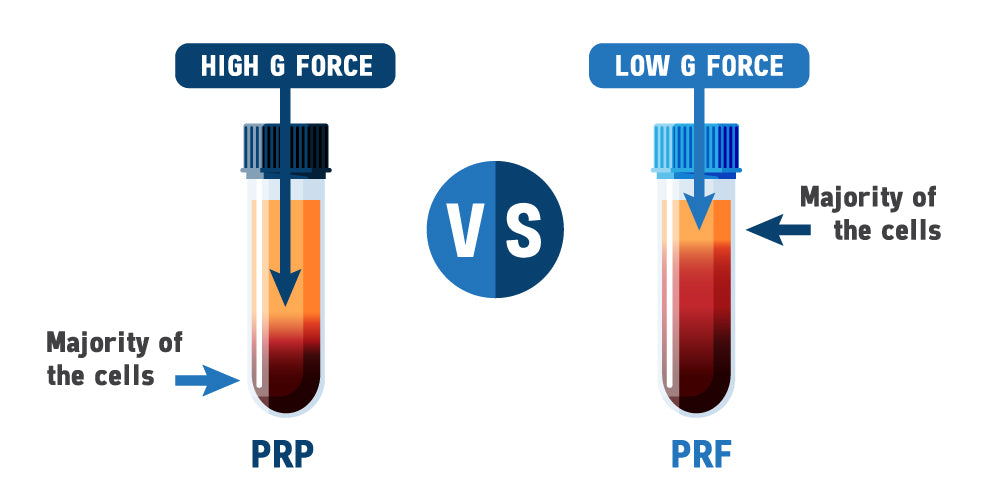
While both treatments involve drawing blood and spinning it in a centrifuge, they differ in processing speed and composition. PRP is the “first-generation” concentrate, whereas PRF is the “second-generation” evolution. PRF contains more white blood cells and stem cells than its predecessor.
What is Platelet-Rich Plasma (PRP)?
Platelet-Rich Plasma (PRP) is a concentrated source of autologous platelets in plasma. It requires anticoagulants to prevent clotting during processing. It’s widely used in Malaysia for sports injuries and basic facial rejuvenation, delivering a quick burst of growth factors to the treated area.
What is Platelet-Rich Fibrin (PRF)?
Platelet-Rich Fibrin (PRF) is a 100% natural concentrate produced without anticoagulants. By spinning blood at lower speeds, a fibrin matrix forms. This scaffold traps platelets and white blood cells, allowing for a slower, more sustained release of healing growth factors into the skin.
Key Differences Between PRP and PRF
The main difference lies in the “release profile.” PRP releases growth factors quickly, while PRF acts as a slow-release reservoir. Additionally, PRF boasts a higher concentration of white blood cells and mesenchymal stem cells, which are crucial for advanced tissue regeneration and long-term anti-aging.
PRP vs PRF: Which is Better for Skin Treatment?
For most Malaysian patients, PRF is considered superior for deep rejuvenation. However, “better” is subjective. If you need a quick surface glow, PRP works wonders. If you want to fix structural issues like hollow tear troughs or deep wrinkles, PRF is the biological winner.
Effectiveness for Skin Rejuvenation
PRF is generally more effective for cellular repair because it stays in the tissue longer. The fibrin scaffold in PRF creates a “bio-filler” effect. While PRP provides a temporary boost, PRF stimulates neocollagenesis more aggressively, making it the preferred choice for aging skin in tropical climates.
Results Comparison
PRP results often manifest as improved skin “brightness” and texture within days. PRF results take longer to appear—usually weeks—but they are more profound. PRF improves skin thickness and elasticity significantly more than PRP, making it better for thinning skin around the eyes.
Longevity of Results
PRP results typically last 3 to 6 months, requiring frequent touch-ups. In contrast, PRF results can last 6 to 12 months or longer. The slow-release mechanism of PRF ensures that your skin continues to repair itself long after the initial injection.
PRP vs PRF Benefits Comparison
Both treatments are autologous, meaning they come from your own body, making them incredibly safe. They are versatile tools in a dermatologist’s kit, but they serve different biological niches depending on the “healing speed” required for the patient.
Benefits of PRP
PRP is excellent for rapid healing and surface-level concerns. It’s effective for treating dullness and minor sun damage. Because it has been around longer, it is widely available in many Malaysian GP clinics and is generally more affordable for those on a strict budget.
Benefits of PRF
PRF offers a “filler-like” volume boost without synthetic chemicals. It contains a higher concentration of platelets (up to 10x) compared to PRP. It’s also better for sensitive patients since it contains zero additives or anticoagulants, reducing the risk of irritation or allergic reactions.
PRP vs PRF Procedure Differences
The “patient experience” is similar for both, but the lab work differs. Both require a blood draw, but the spinning process in the centrifuge is the defining technical moment that separates a standard plasma treatment from a high-yield fibrin treatment.
PRP Treatment Process
During a PRP session, your blood is spun at high speeds. This separates the blood into distinct layers: red cells, “buffy coat” (platelets), and plasma. The provider then adds an anticoagulant (like ACD-A) to keep the liquid thin enough for injection or microneedling.
PRF Treatment Process
PRF uses a “low-speed centrifugation” concept. By spinning the blood slowly, the delicate cells and stem cells remain intact. No chemicals are added. The blood naturally clots into a gel-like fibrin matrix, which is then immediately injected into the target areas before it fully hardens.
Treatment Time and Experience
Both procedures take about 45 to 60 minutes, including numbing time. In Malaysia, patients often prefer the “Lunchtime Procedure” nature of these treatments. PRF may feel slightly “thicker” during injection, but the overall discomfort level is comparable to a standard blood test or filler session.
PRP vs PRF Side Effects and Safety
Safety is paramount, and both treatments have an excellent profile. Since they are derived from your own blood, the risk of disease transmission or rejection is non-existent. However, standard injection risks like swelling or bruising still apply to both.
PRP Side Effects
Common side effects include mild redness, swelling, and pinpoint bruising. Some patients may experience a slight stinging sensation due to the anticoagulant used in the tube. These symptoms usually resolve within 24 to 48 hours without any specialized medical intervention.
PRF Side Effects
PRF carries similar risks of bruising and swelling. Because PRF forms a “clot” or scaffold under the skin, you might feel small, temporary bumps or fullness in the treated area for a few days. This is normal and indicates the fibrin is doing its job.
Safety Considerations in Malaysia
Ensure your clinic is MOH-licensed and holds an LCP (Letter of Credentialing and Privileging). Only registered medical doctors should perform these injections. In Malaysia, using “home kits” or unlicensed beauty salons for blood-based treatments carries a high risk of infection and cross-contamination.
PRP vs PRF Cost in Malaysia
Pricing varies based on the clinic’s location and the technology used. High-end clinics in Kuala Lumpur or Mont Kiara often charge a premium for the latest PRF centrifugation technology, which yields a higher concentration of active stem cells.
PRP Treatment Cost
In Malaysia, a single session of PRP usually costs between RM600 and RM1,200. Prices are lower because the equipment is more common. Many clinics offer “buy 3 get 1 free” packages, which can bring the per-session cost down significantly for maintenance.
PRF Treatment Cost
PRF is generally more expensive, ranging from RM1,500 to RM3,000 per session. The higher price reflects the specialized tubes and low-speed centrifuges required, as well as the higher clinical expertise needed to handle the blood before it clots naturally.
Cost Comparison
While PRF has a higher upfront cost, it often requires fewer sessions to see a result. Over a year, the “cost-per-month” of PRF might actually be lower than PRP because the results last significantly longer, making it a better long-term investment for skin health.
PRP vs PRF: Which Should You Choose?
The “right” choice depends on your age and goals. Younger patients looking for a glow-up might stick with PRP. Older patients or those with specific structural concerns like acne scarring or under-eye hollows should almost always opt for the more advanced PRF.
Based on Skin Concerns
For general rejuvenation or “preventative” anti-aging, PRP is sufficient. If you are dealing with deep tissue loss, significant sagging, or advanced dark circles, PRF is much more effective. It acts more like a biological filler than a simple skin booster.
Based on Budget
If budget is your primary constraint, PRP is a fantastic entry-level treatment. It provides visible results for a lower price point. However, if you can afford the higher initial investment, PRF’s longevity often makes it the more economical choice over a 12-month period.
Based on Desired Results
Choose PRP if you want a “quick fix” for a wedding or event. Choose PRF if you are looking for long-term tissue remodeling. PRF is for the patient who wants to invest in their skin’s future, focusing on cellular health rather than just a temporary shine.
PRP vs PRF for Different Treatments
Clinicians often tailor the choice based on the target area. Since PRF is thicker and richer in growth factors, it is increasingly becoming the gold standard for areas that require “volume” or have poor blood supply.
PRP vs PRF for Face
For a “Vampire Facial” (microneedling), PRP is excellent as it spreads easily. However, for “Bio-Filler” injections in the nasolabial folds or cheeks, PRF is superior. It provides a subtle lift and fills in volume deficits that PRP simply cannot address.
PRP vs PRF for Hair Loss
While PRP for hair loss is the most studied, new data suggests PRF might be better for advanced thinning. The slow release of growth factors in the scalp keeps the hair follicles in the “growth phase” longer, potentially leading to thicker hair density.
PRP vs PRF for Acne Scars
For deep, atrophic acne scars, PRF is the clear winner. The fibrin scaffold helps “lift” the indented scar, while the stem cells work to rebuild the damaged dermis. PRP is better suited for superficial pigmentation or very minor texture issues.
PRP vs PRF Malaysia FAQs
Is PRF Better Than PRP?
Biologically, yes. PRF contains a higher concentration of platelets, white blood cells, and stem cells without chemical additives. However, PRP is still a valid, effective treatment for superficial skin concerns and remains a popular, more affordable choice for many Malaysians.
Which Lasts Longer: PRP or PRF?
PRF lasts longer. Because it forms a fibrin clot that releases growth factors over 7–10 days, the biological “work” continues much longer than PRP. Most patients find that PRF results persist for double the duration of a standard PRP treatment.
Is PRP or PRF More Painful?
The pain level is identical, as both involve a blood draw and needle injections. Most Malaysian clinics use a strong topical numbing cream (EMLA) to ensure the procedure is comfortable. The “thicker” consistency of PRF may cause a slight pressure sensation during injection.