Managing your skin in Malaysia’s tropical heat can be a challenge. Acne is the most common skin condition nationwide, affecting nearly 80% of individuals at some point. This guide breaks down everything from local environmental triggers to the latest clinical treatments available in the Klang Valley and beyond.
Understanding Acne
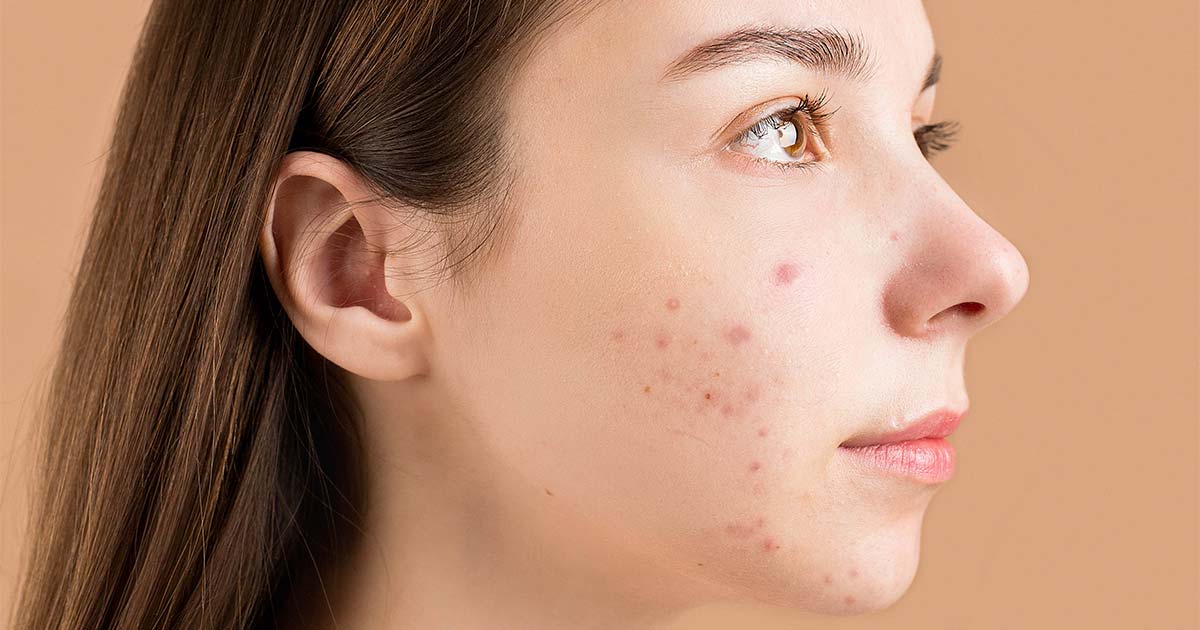
Acne is a multi-faceted inflammatory condition of the sebaceous glands. It occurs when hair follicles become plugged with oil and dead skin cells. While often associated with teenagers, adult acne is increasingly common in Malaysia due to high stress levels and urban pollution in cities like Kuala Lumpur.
Definition of Acne
Acne is a common skin condition caused by clogged hair follicles with sebum and dead skin cells. It results in blackheads, whiteheads, papules, pustules, nodules, or cysts. Triggers include hormones, bacteria (Cutibacterium acnes), and genetics. Treatment ranges from topical retinoids and salicylic acid to oral medications and professional procedures.
According to the American Academy of Dermatology, it primarily affects areas with high oil gland density, such as the face, back, and chest.
Types of Acne: Whiteheads, Blackheads, Pimples, Cysts
Acne presents in various forms. Non-inflammatory types include closed comedones (whiteheads) and open comedones (blackheads). Inflammatory types range from small red bumps (papules) and pus-filled pimples (pustules) to painful, deep-seated nodules and cysts. Each type requires a specific therapeutic approach to prevent permanent scarring.
Common Myths About Acne
Many Malaysians believe eating fried chicken or chocolate causes breakouts, but clinical evidence is limited. Another myth is that washing your face more often cures acne; in reality, over-washing damages the skin barrier. Finally, acne isn’t caused by “dirty” skin—it is a complex biological process involving hormones and genetics.
Causes of Acne
Why does your skin break out? It is rarely just one thing. A combination of internal biology and external Malaysian environmental factors usually creates the perfect storm for “maskne” and inflammatory breakouts.
Hormonal Changes and Imbalances
Androgens increase during puberty or menstrual cycles, causing sebaceous glands to enlarge and produce more sebum. Conditions like Polycystic Ovary Syndrome (PCOS) are frequent causes of adult female acne. Hormonal shifts are a primary driver for deep, cystic breakouts along the jawline.
Diet and Lifestyle Factors
High-glycemic diets—rich in sugary “bubble tea” or refined carbs—can spike insulin levels and worsen inflammation. Chronic stress also releases cortisol, which stimulates oil production. Research from Medical News Today suggests that balancing your blood sugar can significantly improve skin clarity over time.
Genetics and Skin Type
If your parents had severe acne, you are statistically more likely to experience it. Your genetic blueprint determines how your skin sheds cells and how sensitive your receptors are to hormones. Oily and combination skin types are naturally more prone to the clogging that leads to comedones.
Environmental Factors in Malaysia
Our 80% average humidity levels make sebum more fluid, while heat increases sweat. This mixture, combined with PM2.5 haze particles in urban areas, easily traps bacteria. In Malaysia, “tropical acne” is a recognized phenomenon where heat and occlusion trigger flares on the back and shoulders.
Symptoms and Diagnosis
Identifying your acne type early is crucial for effective management. Misdiagnosing a fungal breakout as bacterial acne can lead to ineffective treatment and unnecessary frustration.
How to Identify Acne
Acne is characterized by persistent bumps, redness, or tenderness. Unlike occasional heat rashes, acne follows a pattern of clogged pores and inflammation. You may notice “black” dots, white bumps that won’t pop, or deep, throbbing lumps that feel like they are under the skin surface.
Severity Levels of Acne
Dermatologists categorize acne into three grades. Mild acne consists of a few comedones and papules. Moderate acne features more frequent inflammatory lesions. Severe acne involves widespread nodules and cysts, often leading to atrophic or hypertrophic scarring if not treated by a medical professional.
When to See a Dermatologist
If over-the-counter (OTC) products fail after six weeks, or if your acne causes emotional distress, consult a specialist. In Malaysia, look for doctors registered with the National Specialist Register (NSR). Early intervention for cystic acne is vital to prevent deep “boxcar” or “icepick” scars.
Acne Treatment Options in Malaysia
From local pharmacies like Watsons to high-end aesthetic clinics, Malaysians have access to world-class acne solutions. The goal is to reduce oil, speed up cell turnover, and kill bacteria.
Over-the-Counter Skincare Products
Look for active ingredients like Salicylic Acid (BHA) to unclog pores or Benzoyl Peroxide to kill bacteria. Adapalene, a third-generation retinoid, is now widely available and highly effective. These are excellent for mild-to-moderate cases and help maintain skin texture and clarity.
Prescription Medications
For stubborn cases, a doctor may prescribe topical antibiotics (Clindamycin) or oral medications. Oral isotretinoin is a powerful option for severe, scarring acne but requires strict medical supervision. According to the Ministry of Health Malaysia (MOH), these medications must be dispensed by qualified professionals to manage potential side effects.
Professional Treatments and Procedures
Clinical procedures like Chemical Peels, HydraFacials, and HIFU (for skin tightening post-acne) are popular. Laser therapies, such as the Gold Toning or Carbon Peel, target redness and bacteria. These professional interventions provide faster results than topical creams alone and help significantly with post-inflammatory hyperpigmentation (PIH).
| Treatment Type | Best For | Recovery Time |
| Chemical Peel | Texture & Pores | 1-3 Days |
| Laser Therapy | Redness & Bacteria | Minimal |
| Extraction | Blackheads | 24 Hours |
| Isotretinoin | Severe/Cystic | Ongoing |
Home Remedies and Natural Options
Natural antiseptics like Tea Tree Oil can help mild spots. Calamine lotion is often used locally to soothe inflammation. However, proceed with caution: WebMD warns that “natural” doesn’t always mean safe. Avoid lemon juice or toothpaste, which can cause chemical burns on sensitive skin.
Prevention and Skincare Tips
Clear skin starts with a consistent daily habits. Preventing the “clog” is much easier than treating an active, painful cyst.
Daily Skincare Routine for Acne-Prone Skin
Stick to a “Double Cleansing” routine to remove sunscreen and pollutants. Use a gentle, pH-balanced cleanser, followed by a non-comedogenic moisturizer. Never skip sunscreen; UV rays can darken acne marks (PIH). Look for “oil-free” labels to ensure your products don’t contribute to further pore congestion.
Dietary and Lifestyle Adjustments
Hydrate well to help your body flush toxins. Try reducing dairy or high-sugar snacks for two weeks to see if your skin reacts. Ensure you get 7-8 hours of sleep to keep cortisol levels low. Regularly washing your face towels and pillowcases also prevents the accumulation of acne-causing bacteria.
FAQs About Acne
Can Acne Be Completely Cured?
While “cured” implies it will never return, acne can be successfully managed into long-term remission. Most people outgrow the hormonal surges of youth, but maintenance skincare is often required to keep pores clear and skin healthy throughout adulthood in our humid climate.
How Long Does Acne Treatment Take?
Patience is vital. Most treatments take 4 to 8 weeks to show visible improvement. This timeline aligns with the skin’s natural 28-day renewal cycle. Stopping treatment too early often leads to a “rebound” breakout, so stick to your regime even if progress feels slow.
Does Diet Affect Acne?
Yes, for many people. While not the sole cause, high-glycemic foods can trigger inflammation. In Malaysia, balancing spicy, oily hawker food with fresh vegetables and plenty of water can help manage internal inflammation. Individual triggers vary, so tracking your diet can reveal personal patterns.
Conclusion: Managing Acne in Malaysia
Acne is a medical condition, not a cosmetic flaw. By understanding your skin type and the unique challenges of the Malaysian environment, you can take control. Whether you choose OTC actives or professional clinical help, consistency is the key to achieving and maintaining a clear, confident complexion.